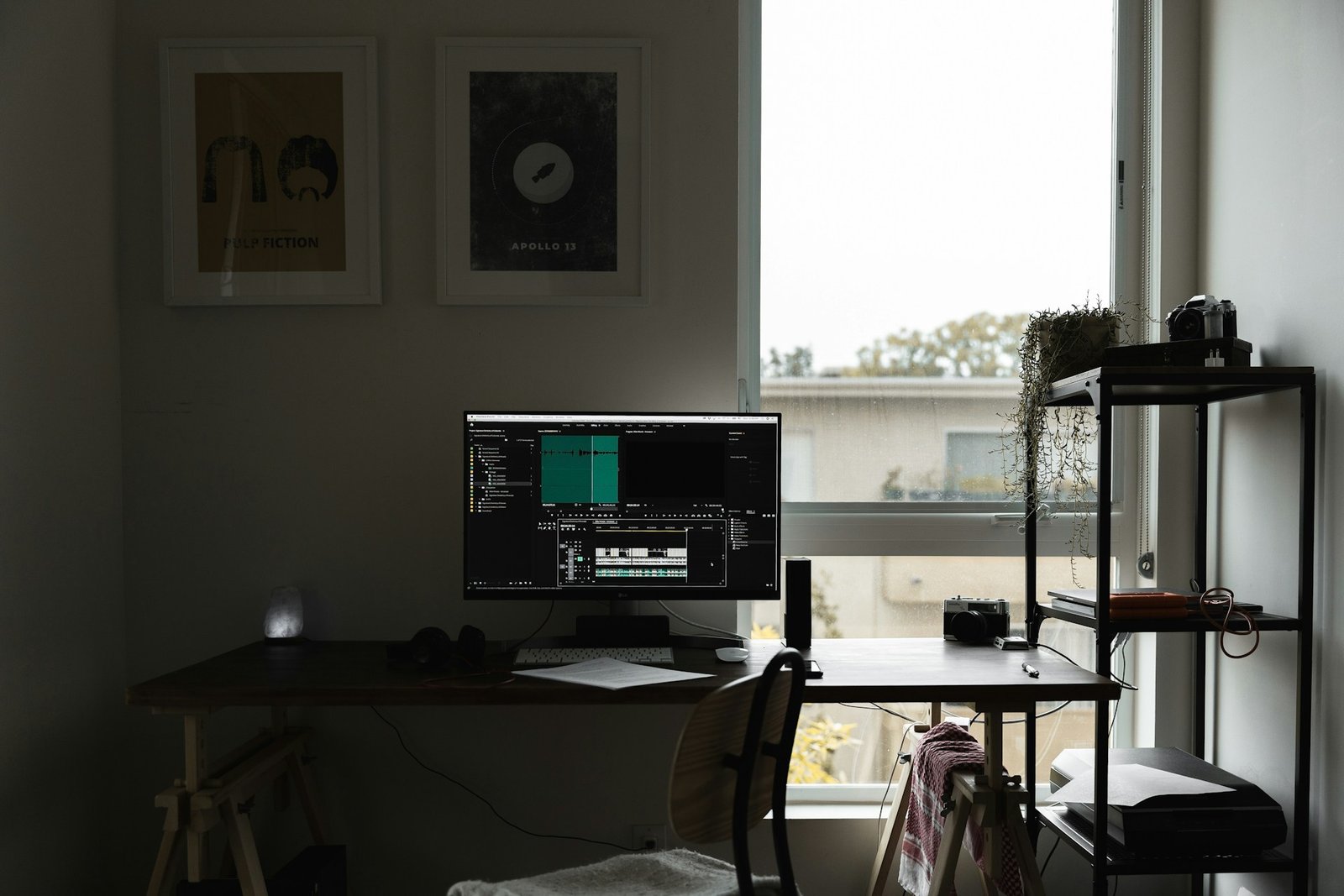
Color Grading for Film & TV: From Technical Correction to Storytelling
Published: February 2024
Colour grading begins with discipline: normalising exposure, white balance, and colour temperature so every shot shares the same baseline. Without this foundation, creative intent wobbles and inconsistencies distract viewers.
Once technically aligned, grading becomes storytelling. Genre, narrative pace, and character perspective all influence the palette. Warmer mids can soften a reunion; cooler shadows can raise unease; controlled contrast guides attention to the emotional centre of each frame.
Matching Platforms and Standards
Deliverables vary: Rec.709 for broadcast, HDR for premium streaming, P3 for cinema. Gamma, peak nit levels, and colour volume all need handling so that the approved look survives every screen. Proper transforms, monitoring, and QC prevent surprises downstream.
Consistency is more than LUTs; it's managing skin tones, balancing mixed lighting, and ensuring intercut scenes feel like one world. Scene-referred workflows and careful node structure keep changes predictable and reversible.
Look Development and Collaboration
A look bible, still references, and calibrated review sessions align director, DP, and colourist. Iteration matters: subtle trims to saturation or highlight roll-off can change a scene’s emotional read more than a dramatic grade shift.
When colour supports story, audiences feel coherence—even if they can't name why. The best grades are invisible partners to performance and pacing.